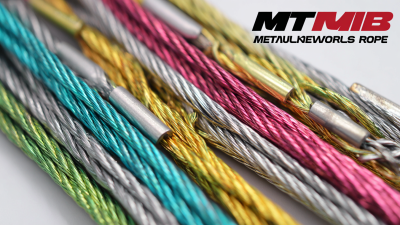
Choosing the right MTB Metal Wire Ropeis pretty important when you’re working on stuff like construction or Manufacturing. I came across a report from MarketsandMarkets that says the global market for metal wire ropes is expected to grow at about 5.2% annually from 2021 to 2026. That really shows how crucial it is to use quality materials, especially in tough environments.
John Smith, who’s pretty well-known in the wire rope world, mentioned, “Choosing the right MTB Metal Wire Rope can make a huge difference in both safety and efficiency.” That’s a good reminder that you need to know what you’re getting into before making a decision. Not all projects are the same – one size definitely doesn’t fit all.
And let’s be honest, selecting the wrong wire rope can lead to trouble. If you don’t pay attention to things like tensile strength or environmental factors, performance can suffer big time. Every little detail counts — from how well it resists rust to how much weight it can handle. Keeping these points in mind will definitely help you make smarter choices.
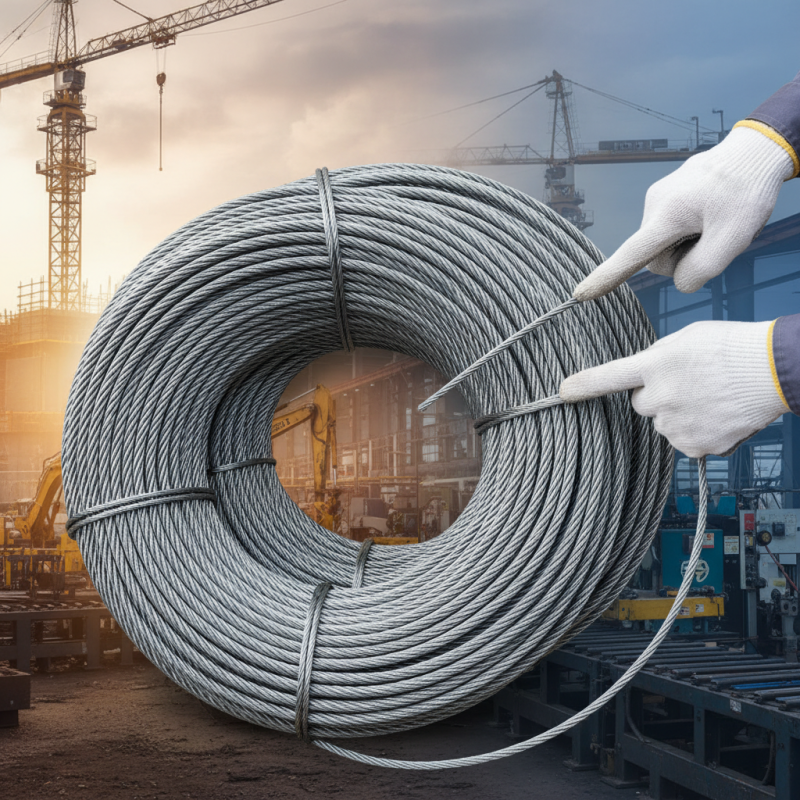
Understanding the Basics of MTB Metal Wire Rope Specifications
When selecting MTB metal wire rope, it’s important to understand key specifications. Metal wire ropes vary in diameter, material, and construction method, each impacting strength and flexibility. For instance, a 7x19 construction offers high flexibility, while a 1x19 design usually provides greater strength. The correct choice depends on your specific requirements.
Reports indicate that the tensile strength of MTB metal wire rope is critical. For example, certain ropes can handle up to 20,000 pounds, making them suitable for heavy lifting tasks. Users often overlook the significance of corrosion resistance. Choose options that are galvanized or stainless steel to ensure longevity in harsh environments.
Tips: Always assess the operational conditions of your project. Consider if the wire rope will be exposed to chemicals or extreme temperatures. For extreme conditions, Mesh Ring Belts with 800 Degrees Used for Covering Automobile Glass MTB Metal Wire Rope may be advisable. Regular inspections and maintenance can reveal wear or damage early on, allowing for timely replacements. Such diligence can save costs in the long run.
2026 MTB Metal Wire Rope Specifications
Identifying the Key Factors in Choosing MTB Wire Rope Materials
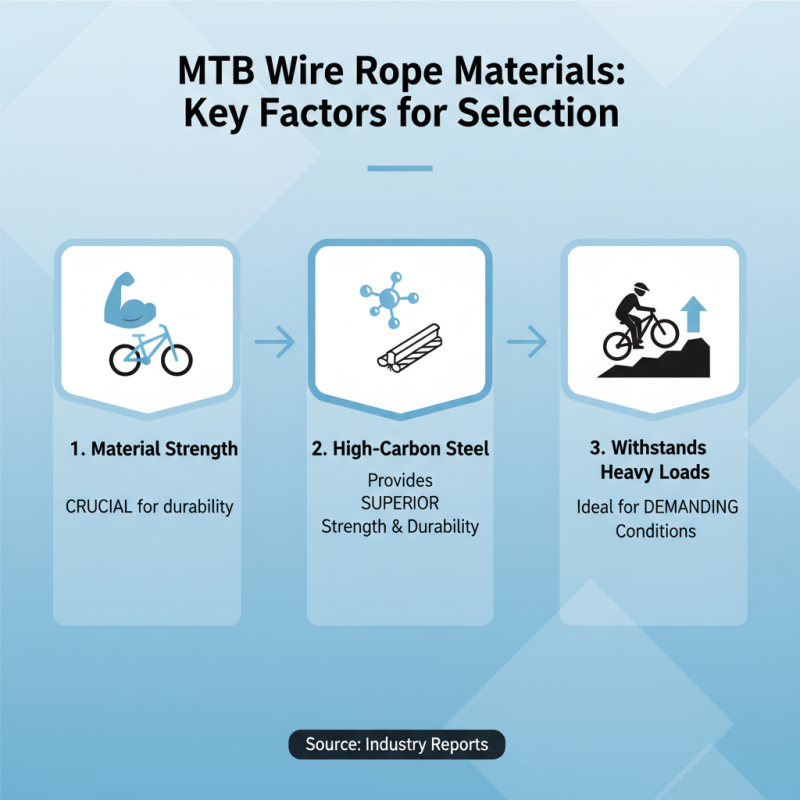
Choosing the right MTB metal wire rope requires careful consideration of various factors. Material strength is crucial. According to industry reports, wire ropes made from high-carbon steel can provide superior strength and durability. These ropes can withstand heavy loads, making them suitable for demanding conditions.
Corrosion resistance is another key factor. Environments can vary greatly, and some areas have high humidity or exposure to salty air. Selecting materials treated for corrosion resistance is important. For instance, galvanized ropes often outperform untreated ones in wet conditions.
Flexibility and fatigue resistance also matter. A balance between stiffness and bendability impacts the rope’s lifespan. Research shows that wire ropes with improved fatigue resistance last longer under repeated stress. Choosing the wrong type, however, can lead to premature failure. It's essential to study the environment and usage scenarios to identify the best material.
Evaluating Load Capacity and Breaking Strength for MTB Wire Ropes
When choosing MTB metal wire ropes, load capacity and breaking strength are critical factors. Evaluate the maximum load the rope can handle. This measurement dictates safety and efficiency. Selecting a wire rope with inadequate load capacity can lead to serious issues. Consider specific applications, like lifting or towing, as each demands different strength requirements.
In addition, breaking strength is essential. This is the maximum stress that the wire can withstand before failing. It’s important to factor in any potential overload scenarios. Many overlook this aspect, assuming the rope will suffice under pressure. A rope like the "Spot 6mm 316L Metal Fiber Conductive Rope Silver Fiber Anti-Static Rope Machine Equipment Static Elimination Rope" offers robust options for various uses, but always scrutinize your choices.
Ensure you account for environmental factors too. Rust, abrasion, and extreme temperatures can affect performance. Ropes may seem visually intact but can weaken over time. Always inspect conditions before usage. Often, we must reflect on our decisions. Are we prioritizing safety and reliability, or just convenience? A thoughtful evaluation of load capacity and breaking strength can prevent dangerous outcomes.
2026 How to Choose Mtb Metal Wire Rope for Your Needs?
| Rope Diameter (mm) | Load Capacity (kg) | Breaking Strength (kg) | Material Type | Recommended Use |
| 4 | 200 | 600 | Steel | Lightweight MTB use |
| 5 | 350 | 900 | Galvanized Steel | Hiking and Medium MTB trails |
| 6 | 500 | 1200 | Stainless Steel | Heavy duty MTB and climbing |
| 8 | 800 | 2000 | High Carbon Steel | Extreme conditions MTB |
The Importance of Corrosion Resistance in MTB Metal Wire Rope
Corrosion resistance is crucial when selecting MTB metal wire ropes. It directly affects the longevity and durability of the ropes. A report from the Wire Rope Association indicates that over 30% of wire failures are due to corrosion. This highlights the importance of choosing materials that resist degradation, particularly in harsh environments.
Metal wire ropes often face exposure to moisture and chemicals. The right choice can minimize maintenance costs and improve safety. For example, stainless steel offers excellent resistance. However, not all stainless steel is created equal. Some manufacturers produce superior options, such as those using silver platingfor enhanced conductivity and Anti-Static properties. This is evident in products like theManufacturer Produces Silver Plated Fiber Conductive Metal Rope Stainless Steel Anti Static Rope, which successfully combines functionality with durability.
Looking at practical applications, marine environments present specific challenges. Marine-grade ropes often show significantly better performance. Yet, selecting the wrong type can lead to rapid corrosion. Users sometimes neglect to consider this factor, resulting in increased failure rates. Investing in the right MTB metal wire rope can prevent such costly mistakes. It’s essential to prioritize corrosion resistance to ensure long-term use and safety.
Assessing Flexibility and Bend Radius for Optimal MTB Wire Performance
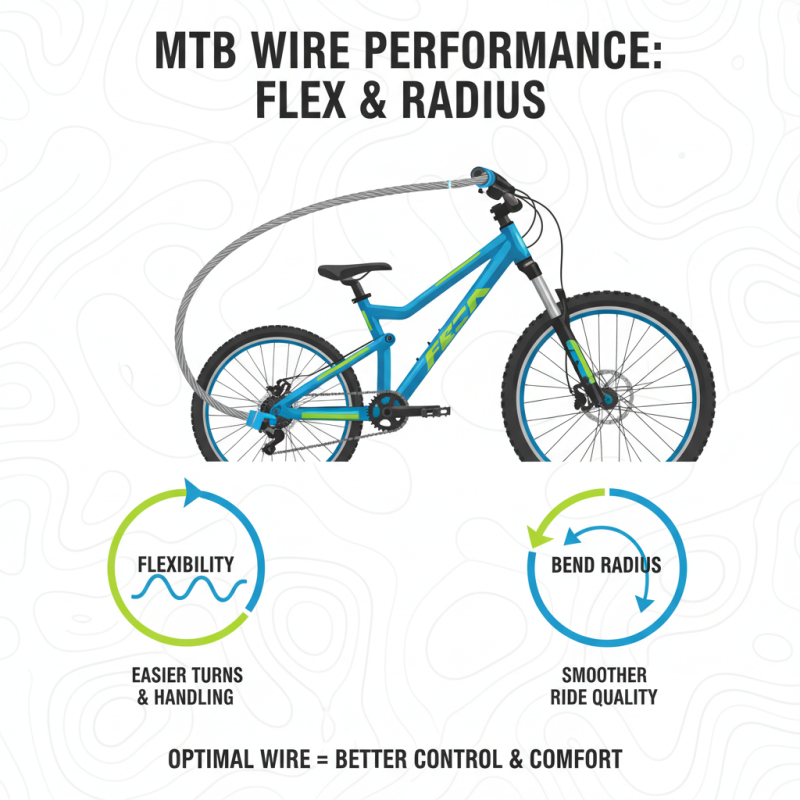
Choosing the right MTB metal wire rope can significantly affect your performance. One key aspect is flexibility. A wire rope that is too stiff will not perform well in tight turns. It may also affect your overall ride quality.
Bend radius is another crucial factor. A tighter bend radius means the wire rope can navigate sharp curves more efficiently. If your wire rope fails to adapt to bends, it can lead to premature wear or even breakage. Always check the recommended bend radius for your specific needs.
**Tips:** Look for wire ropes that are designed for flexibility. Test different products to see how they perform in real-world conditions. Pay attention to how they handle turns. Also, consider the material; lighter options may enhance maneuverability. Evaluate the cost versus the expected performance to ensure you make a sound choice.
Comparing Different Construction Types of MTB Metal Wire Rope
When selecting MTB metal wire rope, construction type is crucial. Various types impact strength, flexibility, and weight. A wire rope’s design affects its durability and performance, particularly in industrial settings.
Look closely at the strand construction. Some ropes have more strands, increasing flexibility but potentially reducing rigidity. Others, like the one with a specified medium, are stiffer and can handle heavy loads. Assess your needs carefully. For instance, Spot Supply of Silver Fiber 6mm3mm Electrostatic Rope Coating Printing Textile Film Industrial Anti-Static Rope may be more suitable for static applications.
Here’s a tip: always check the materials used. Certain metals resist corrosion better. If your rope will be exposed to harsh environments, choose accordingly. Remember to consider the weight, too. Lighter ropes can be easier to maneuver but may not offer the same strength as heavier options. It’s about finding what works for your specific use case and reflecting on these elements before making a decision.
Techniques for Proper Maintenance and Inspection of MTB Wire Ropes
Maintaining MTB metal wire ropes is crucial for safety and performance. Regular inspections should be part of your routine. Check for signs of wear and corrosion. Any frayed wires may indicate a problem. It’s essential to address issues early to avoid failures.
During the inspection, focus on critical areas. Look for broken strands and kinks. Lubrication is equally important. Using the right type can prevent rust. However, using excessive amounts may attract dirt and grime, leading to further issues.
Lastly, consider the environment where the ropes are used. Exposure to harsh conditions can accelerate wear. Adjust your maintenance schedule accordingly. A proactive approach will help you extend the life of your wire ropes. But remember, mistakes happen. Learn from them to improve your future practices.
Exploring the Growing Demand for Silver Foil Metallized Wire: Insights from the Latest Industry Market Reports and Trends Analysis
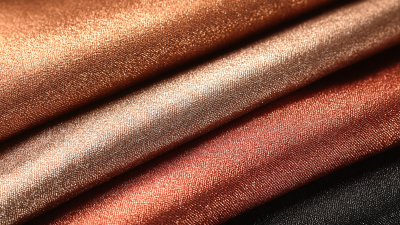
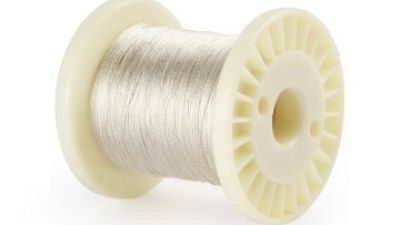
The growing demand for silver foil metallized wire is a testament to the evolving needs of various industries seeking advanced solutions for their electrical and electronic applications. These wires, crafted from flattened copper-plated silver, offer exceptional electrical conductivity while maintaining excellent flexibility and durability, which are essential in high-performance environments. The incorporation of textile filaments, such as polyamide or aramid, enhances the wire’s mechanical properties, allowing it to endure bending and twisting without compromising its structural integrity.
One of the standout features of this silver copper foil metallized wire is its surface treatment with tin. This process forms oxide films that effectively prevent copper oxidation, ensuring long-term reliability and performance. The resulting conductor wire is not only non-toxic and tasteless but also offers superior conductivity, making it an ideal choice for applications requiring efficient energy transfer. As industries increasingly focus on sustainable and high-quality materials, the appeal of metallized conductor wire continues to rise, driving innovation and development in the market.
FAQS
: Consider diameter, material, and construction type. Each element affects strength and flexibility.
A 7x19 construction has high flexibility. A 1x19 design typically offers more strength.
Corrosion affects lifespan. Over 30% of wire failures occur due to corrosion.
Galvanized or stainless steel options are best. Some stainless steel has enhanced features.
Assess chemical exposure and temperatures. Marine-grade ropes often perform better.
Some overlook environmental factors, leading to higher failure rates. Reflection is needed.
Yes, lighter ropes are easier to handle but may lack strength compared to heavier ones.
Prioritize corrosion resistance and inspect ropes regularly for wear and damage.
More strands increase flexibility but can reduce rigidity. Choose based on your needs.
Conclusion
When selecting the right MTB metal wire rope for your needs, it's crucial to understand its specifications, including material properties, load capacity, and breaking strength. Key factors such as corrosion resistance and flexibility play a vital role in ensuring optimal performance. Additionally, evaluating the bend radius is essential for adapting the wire rope to various applications.
Different construction types of MTB metal wire rope offer unique advantages that should be considered in the decision-making process. To ensure longevity and reliability, proper maintenance and inspection techniques are necessary. By following these guidelines, you can make an informed choice that maximizes the performance and durability of your MTB metal wire rope.