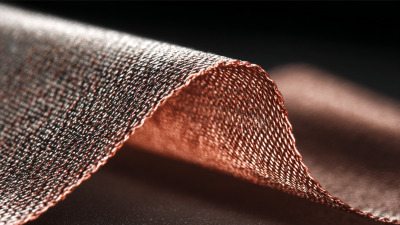
You know, in today’s fast-paced world of technical Textiles, the need for really good electromagnetic interference (EMI) protection is growing rapidly. Honestly, the global market for conductive Fabrics is projected to hit around USD 3.6 billion by 2026, with a pretty steady annual growth rate of about 7.2%. Out of all the options out there, Copper Nickel Shielding Fabric really shines because of its excellent conductivity and lightweight feel. That’s why it’s become the go-to choice across various fields like aerospace, military gear, and electronics. 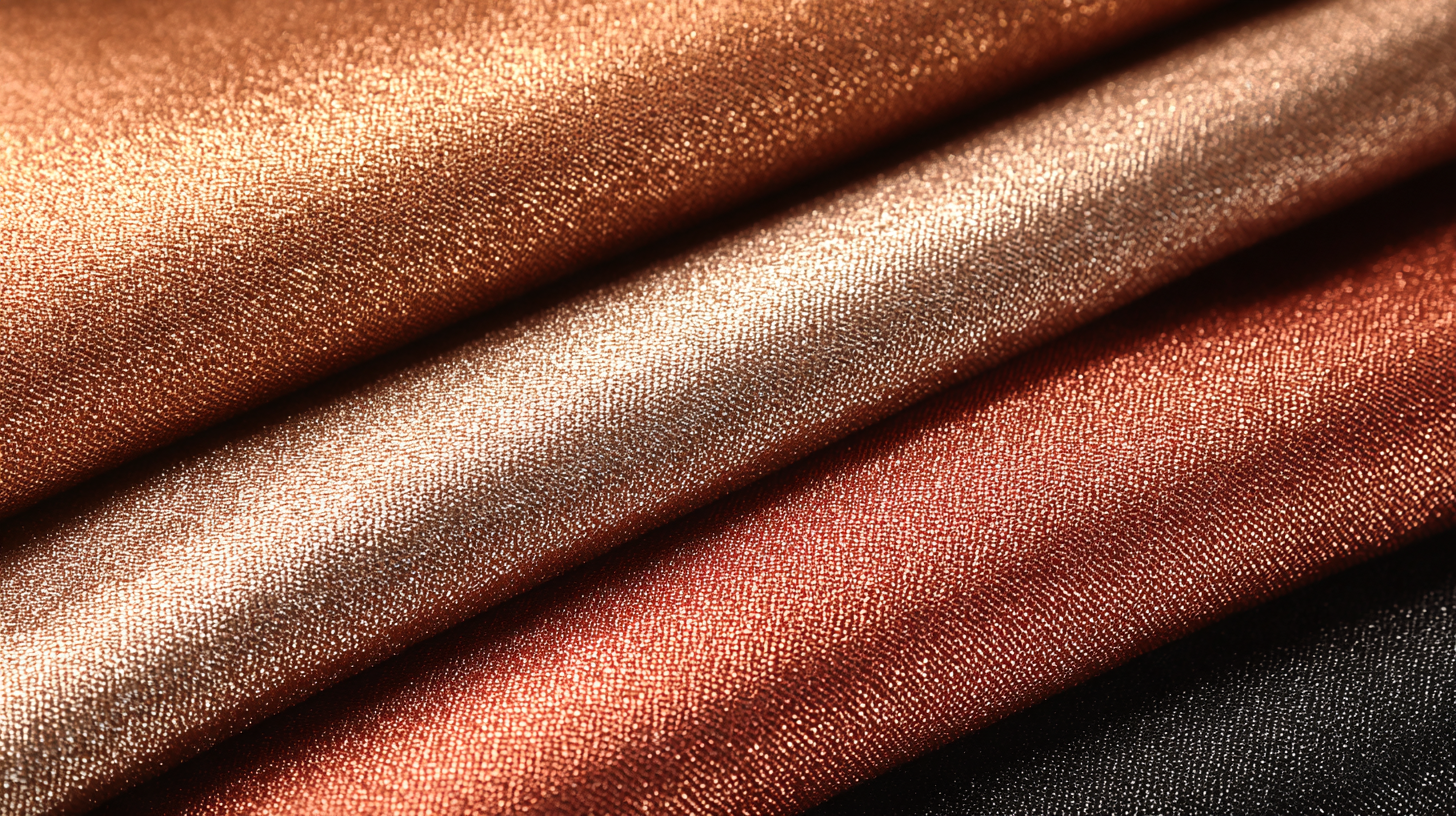 Here at SHIJIAZHUANG 3L TECHNOLOGY CO., LTD., we've been leading the way since 2009, focusing on creating high-performance tech textiles. Our passion is turning cutting-edge textiles into innovative solutions, which has helped us stay ahead of the game. In this blog, I’ll share seven key tips to help you pick the right Copper Nickel Shielding Fabric—so you can be sure you’re making an informed choice tailored specifically to your needs.
Understanding the Importance of Copper Nickel Shielding Fabric
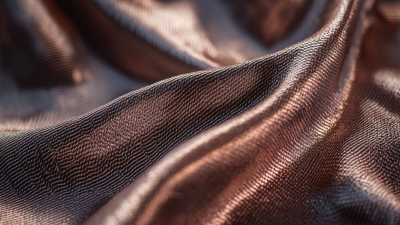
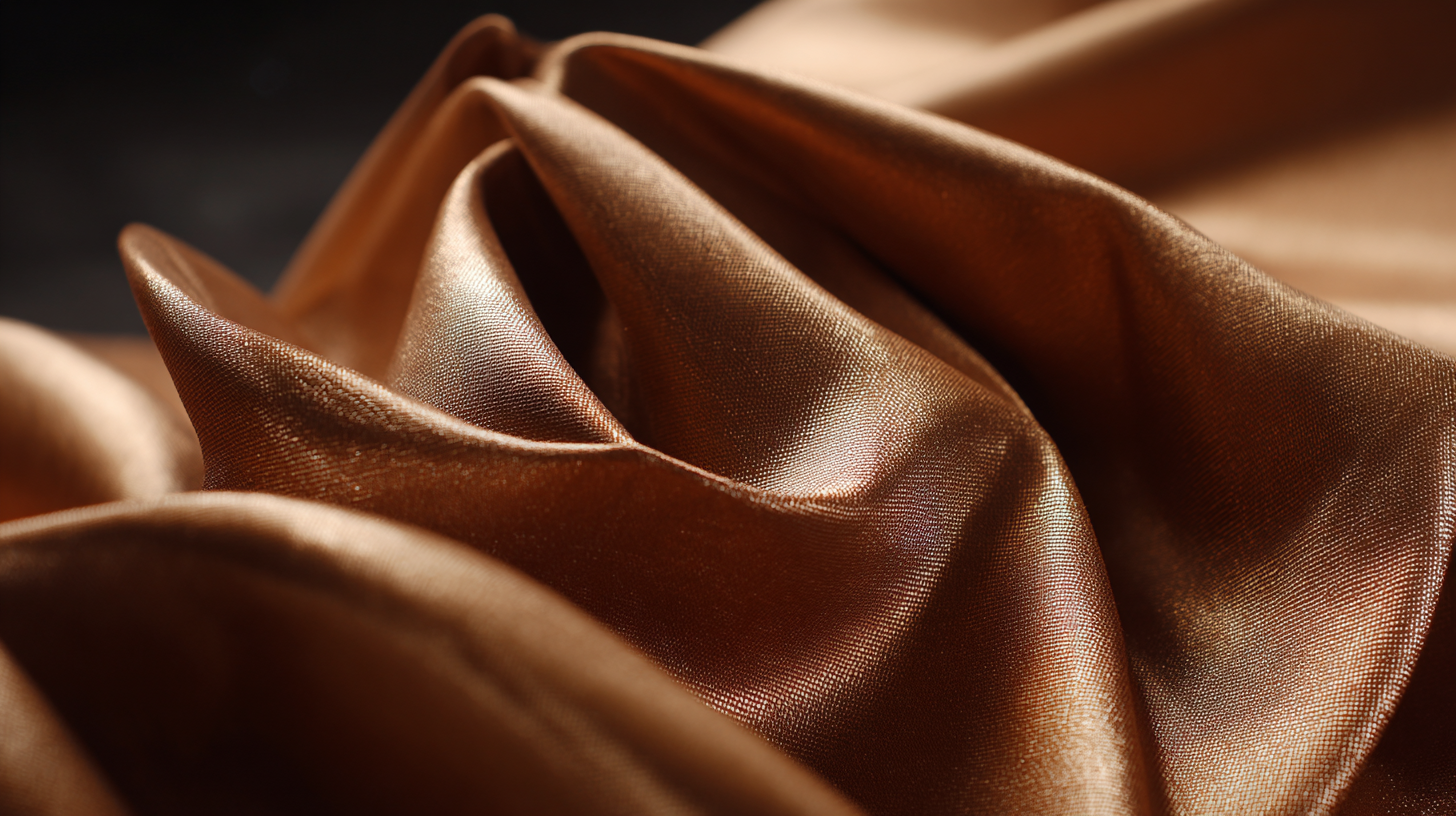 Copper-nickel shielding fabric plays a pretty important role in protecting sensitive electronic gadgets from messy electromagnetic interference (EMI) and radio frequency interference (RFI). As tech keeps advancing, more and more people are realizing just how crucial good shielding solutions are. That’s why it’s really important for manufacturers and engineers to get what makes these materials tick. The cool thing about copper-nickel alloys is that they blend the amazing electrical conductivity of copper with the corrosion-resistant powers of nickel. So, you end up with a fabric that not only shields like a champ but is also durable enough to handle the test of time.
When picking out copper-nickel shielding fabric, there are a few things you should keep in mind—like how thick it is, the way it’s woven, and whether it fits the specific use you have in mind. The fabric has to block out interference well, but at the same time, it needs to be flexible enough so it can be easily incorporated into all kinds of device designs. Plus, thinking about the environment where it’s going to be used—whether it’s humid, hot, or cold—can make a big difference in how well it performs down the line. If you keep these factors in check, you’ll be able to make smarter choices that boost the reliability and lifespan of your electronics.
Key Properties to Look for in Copper Nickel Shielding Materials
When you're choosing copper-nickel shielding materials, it’s really important to keep a few key things in mind to make sure you get the best performance. First off, the conductivity of the fabric is a big deal. Basically, the higher the conductivity, the better it’ll block electromagnetic interference (EMI). That’s why these materials are so great for stuff like electronics and telecom setups. Usually, if the fabric has more copper, it tends to conduct better. So, keep an eye on the copper-to-nickel ratio—it's really worth paying attention to when you’re making your pick.
Another thing to think about is how heavy and flexible the fabric is. Lighter fabrics are way easier to handle and can fit into all sorts of designs without adding too much bulk. Flexibility? Super useful. It gives you more options, whether you're working with rigid surfaces or something that moves around a lot. Also, don’t forget to check how durable the material is—ideally, it should stand up to corrosion and wear over time. Long story short, focusing on these key properties will help you find the right copper-nickel shielding fabric for whatever you need it for. Trust me, a little extra attention here really pays off in the end!
Key Properties of Copper Nickel Shielding Fabric
Different Applications of Copper Nickel Shielding Fabric
Copper-nickel shielding fabric is really coming into its own these days, mainly because of how versatile it is in so many different applications. It’s pretty effective when it comes to blocking electromagnetic interference, or EMI for short. For instance, in the world of telecommunications, this fabric actually plays a big role in protecting sensitive gear from noise that could mess up signals—you know, those annoying disruptions that can cause big headaches. I read in a report from MarketsandMarkets that the global EMI shielding market is expected to hit around USD 6 billion by 2026, with a steady growth rate of about 6.5% annually. The crazy part? The rising demand for copper-nickel materials in this area really comes down to needing super reliable communication systems, especially today.
On the other hand, in aerospace and defense, they use this fabric to shield electronic parts from external electromagnetic stuff—pretty high-tech. Plus, copper-nickel has some cool added benefits like antifungal and antimicrobial properties, making it perfect for those tough environments where you gotta trust your gear to perform. A study published in the Journal of Applied Electrochemistry points out that copper-nickel alloys are actually pretty resistant to corrosion, which is a huge plus when you’re dealing with harsh conditions—think aircraft or naval vessels out at sea. These materials don’t just improve how well everything works; they also help electronics last longer. Honestly, it’s no wonder they’re becoming such a big deal across so many industries these days.
Evaluating the Cost vs. Performance of Copper Nickel Fabrics
When you're trying to weigh the costs versus the performance of copper-nickel shielding fabrics, it’s really important to get a clear idea of your return on investment. These fabrics do a fantastic job at blocking electromagnetic interference (EMI), but keep in mind that their prices can swing quite a bit depending on what the material’s made of and how it’s woven. To make a smart choice, think about how long the fabric will last and how well it performs in real-world conditions. Sure, top-quality fabrics might cost more upfront, but they can save you money in the long run thanks to their durability and better shielding power.
One thing I’d suggest is really assessing what your specific needs are. Different jobs and environments might require different types of shielding fabrics. For example, if you’re working in a super corrosive environment, it might be worth investing in one that fights oxidation really well—it could end up being much more cost-effective down the line. Also, don’t forget to compare how different fabrics perform. Look for a good balance between shielding effectiveness and flexibility—that way, you’re getting the best bang for your buck without overspending on unnecessary features.
Common Mistakes to Avoid When Choosing Shielding Fabric
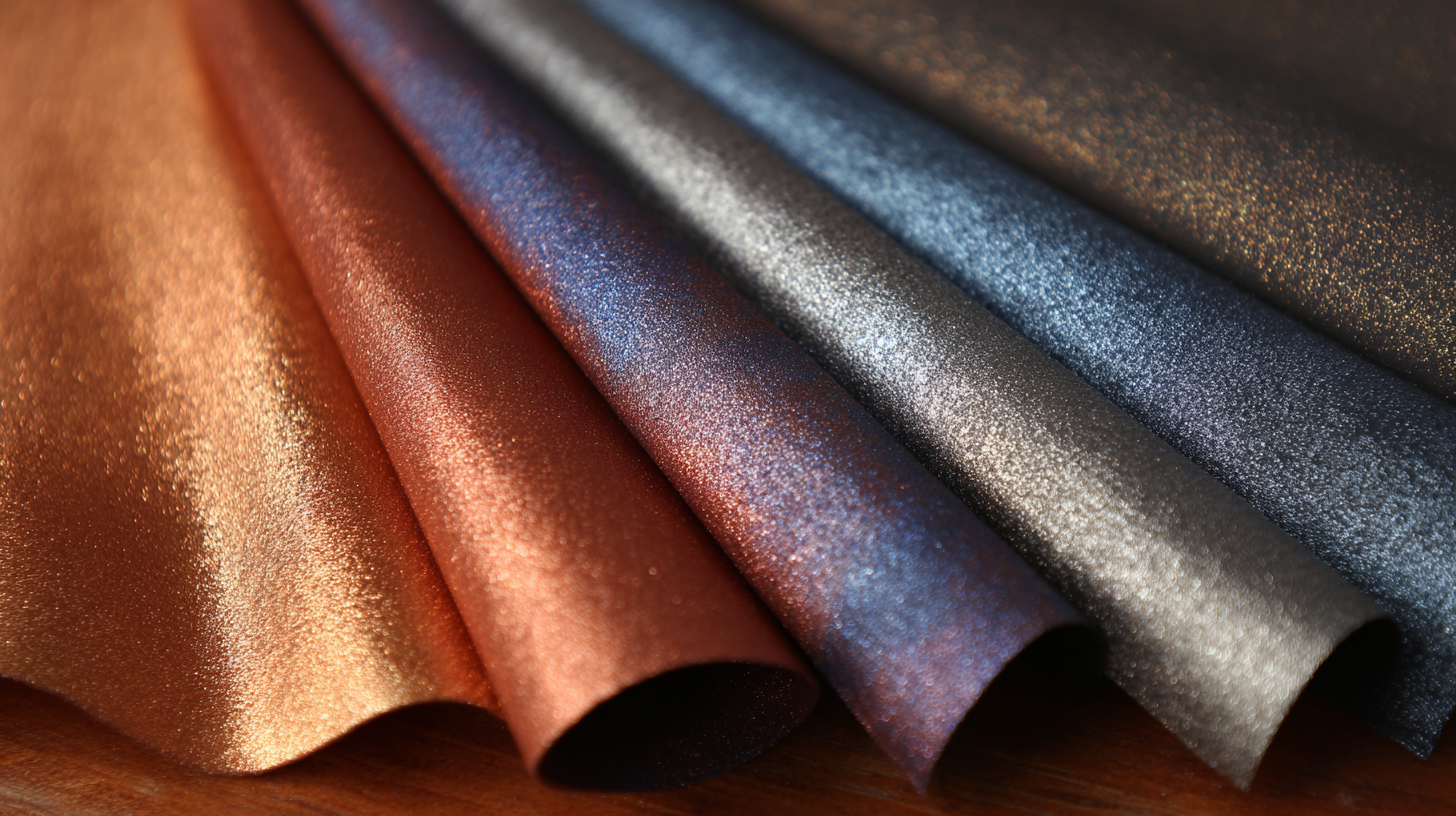
When you're trying to pick out the right copper-nickel shielding fabric, it's super important to avoid some common pitfalls if you want things to work well. For example, a lot of folks forget to think about the specific properties their project needs. Like, shielding effectiveness can really vary between fabrics — and you'll want to look at this in decibels (dB). Actually, high-quality copper-nickel fabrics can give you shielding effectiveness... get this, up to 120 dB! That’s pretty impressive, and it means your electronics are well protected from electromagnetic interference (EMI).
Another thing that trips people up is ignoring the right material composition. Some applications need a certain thickness or weight, and if you don’t pay attention to that, your shielding might fall short. In fact, many industries find that a fabric weight between about 3 to 5 ounces per square yard hits that sweet spot — giving you enough protection without sacrificing too much flexibility. Plus, you’ve gotta think about how the fabric will hold up under real-world conditions, like humidity or temperature swings. Overlooking these factors can cause the fabric to break down over time, and then your shielding won’t do its job anymore — which means your equipment could be at risk. So yeah, doing some proper research and understanding what your project really needs is key when choosing the right fabric.
7 Essential Tips for Choosing the Right Copper Nickel Shielding Fabric
| Tip Number | Key Consideration | Common Mistakes | Recommendation |
| 1 | Material Composition | Not verifying the exact composition of the fabric | Ensure the material contains a proper ratio of copper and nickel |
| 2 | Shielding Effectiveness | Choosing a fabric without checking its shielding effectiveness rating | Look for fabrics with tested and certified shielding effectiveness |
| 3 | Thickness | Ignoring the thickness requirements for your application | Choose a thickness suitable for your specific shielding needs |
| 4 | Environmental Resistance | Not considering exposure to environmental factors | Select fabrics that are resistant to moisture, heat, and corrosion |
| 5 | Ease of Use | Selecting materials that are difficult to work with | Opt for user-friendly materials that are easy to cut and shape |
| 6 | Cost | Focusing solely on cheaper options | Evaluate the cost versus performance and durability |
| 7 | Supplier Reputation | Ignoring the reputation of the supplier | Research and choose reputable suppliers for reliable products |
Maintenance Tips for Extending the Life of Shielding Fabric
If you're looking to make your copper nickel shielding fabric last longer, a bit of regular care really goes a long way. First off, try to store it somewhere cool and dry when you're not using it—moisture and extreme heat can kinda mess with its effectiveness and cause it to wear out faster. It’s also a good idea to toss a protective cover over it to keep dust and pollutants at bay, which can slowly wear down the material over time.
Cleaning is another big part of keeping the fabric in good shape. Just use a gentle detergent mixed with lukewarm water—nothing too harsh or abrasive, as that can scratch or damage the surface. When you're done cleaning, let it air dry completely before storing it again—trust me, mold or mildew can sneak up if you don’t. Oh, and don’t forget to give it a quick once-over every now and then to check for any signs of damage—like frayed edges or color changes. Catching small issues early on can really save the fabric from more serious problems down the line and help it stay in good shape for ages.
FAQS
: When selecting copper nickel shielding materials, focus on conductivity, weight and flexibility, and durability. High conductivity is essential for effective EMI shielding, and a higher copper content typically indicates better conductivity. Lightweight and flexible materials are easier to handle and versatile, while durability ensures resistance to corrosion and wear.
Conductivity is crucial because high conductivity materials effectively shield against electromagnetic interference (EMI), making them ideal for electronics and telecommunications applications.
A material with a higher copper content generally offers better conductivity, which enhances its effectiveness in shielding against EMI. Therefore, it's important to pay attention to the specific copper-nickel ratio when choosing a material.
Lightweight and flexible shielding fabrics are easier to integrate into various designs without adding excessive bulk, making them suitable for both rigid and dynamic surfaces.
To maintain your fabric, store it in a cool, dry place, use protective covers, clean it with mild detergent and lukewarm water, allow it to air dry completely, and periodically inspect for signs of wear.
Use a mild detergent mixed with lukewarm water and avoid abrasive materials. After cleaning, allow the fabric to air dry completely to prevent mold or mildew growth.
Exposure to moisture and extreme temperatures can compromise the effectiveness of shielding fabric and lead to its degradation, so it's important to store it properly.
It's advisable to inspect your shielding fabric periodically for signs of wear such as fraying edges or discoloration and to address any minor issues promptly to prevent more significant damage.
Failing to maintain shielding fabric properly can lead to deterioration, reduced effectiveness in shielding against EMI, and potentially more costly repairs or replacements in the long run.
Conclusion
When you're choosing the right Copper Nickel Shielding Fabric, it's really important to understand why it matters and what key qualities make it effective. This kind of specialized shielding isn’t just a fancy material—it plays a critical role in protecting electronic devices from electromagnetic interference (EMI). You know, it’s a must-have across so many industries. Whether we're talking about aerospace, medical equipment, or something else, the applications are pretty broad. That's why it’s so important to weigh the costs against the performance you get.
A word of caution—making the wrong choice when selecting shielding fabric can lead to not enough protection, plus higher expenses later on. So, it’s smart to keep some maintenance tips in mind to help the fabric last longer and keep things running smoothly over time. Here at SHIJIAZHUANG 3L TECHNOLOGY CO., LTD., we're proud to lead the way in producing top-notch tech-textile materials. We offer innovative, tailored solutions—like our Copper Nickel Shielding Fabric—that suit the unique needs of different industries. Basically, we’re all about helping you get the best bang for your buck while staying protected.