Lately, there's been a big buzz around the need for new, innovative materials in the textile world, and one thing that's really catching attention is Metal fiber Cotton Mixed Yarn. Basically, it’s a special kind of yarn that combines the durability and cool properties of metal fibers with the soft, comfy feel of cotton. It’s pretty versatile too, fitting into all sorts of uses. I read a report from TechSci Research that predicts the global metal fiber market could hit about $2 billion by 2024 — sounds like everyone’s into this mixed fiber tech these days!
This kind of yarn is really making waves because it’s tough and has some pretty neat features. It can resist heat, offers electromagnetic shielding, and still feels soft against the skin. Industry sectors like automotive and aerospace are starting to jump on board, adding this metal-mixed Staple Fiber into their products. That said, there are some hurdles, especially around the costs of production and finding good-quality materials. Companies really need to be careful about sourcing reliable suppliers—stuff like stainless steel sliver and metal cutting staple fibers are critical here.
Using Metal Fiber Cotton Mixed Yarn definitely has the potential to boost product performance, but it’s not just about the material. Companies should really think about their overall strategies too. Striking the right balance between affordable costs and top-notch quality is key. Working with trusted supply chain partners helps guarantee you get the good stuff—like high-quality metal draw-cut fibers and stainless steel sliver—which can give your business a real edge in this competitive market.

Benefits of Metal Fiber Cotton Mixed Yarn in Textile Manufacturing
Metal fiber cotton mixed yarn offers significant advantages in textile manufacturing. This innovative material combines the best features of both metal fibers and cotton, allowing for better conductivity and durability. According to a report by the Textile Research Journal, fabrics made from metal fiber cotton blends show up to 30% improved tensile strength compared to conventional cotton textiles.
Manufacturers increasingly seek ways to enhance product performance. Metal mixed staple fiber can reduce static electricity in clothing. This property is especially valuable in industries that require anti-static clothing. Additionally, the conductive properties of metal cutting staple fibers allow for integration with electronic sensors, paving the way for smart textiles. A recent study indicated that textiles with conductive fibers can achieve increased performance in wearable technology applications.
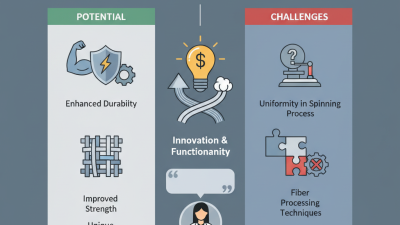
However, there are challenges. The blending process of these fibers can be complex. Achieving the right balance of metal and cotton requires precise control. Additionally, sourcing high-quality metal fiber must align with cost considerations. These factors demand careful planning and quality assessments in the supply chain, reminding professionals that innovation comes with its own set of hurdles.
Key Properties of Metal Fiber Cotton Mixed Yarn
Metal fiber cotton mixed yarn has gained attention for its unique properties. One of its standout characteristics is its excellent thermal resistance. This type of yarn can withstand high temperatures, making it suitable for applications requiring heat insulation, such as in protective clothing. The inclusion of metal fibers enhances durability, which is especially important in industries where wear and tear are common.
Another significant feature is its improved electrical conductivity. This yarn type can dissipate static electricity effectively, proving beneficial in environments where static discharge poses risks. The combination of cotton and metal fibers also provides comfort, allowing users to enjoy the softness of cotton while benefiting from the strength of metal fibers. However, it’s essential to consider the cost implications, as metal fiber cotton mixed yarn might not be suitable for every project budget.
There are also challenges in processing this material. Ensuring uniform distribution of fibers is critical for achieving desired properties. Incomplete blending can lead to weaknesses in the final product. Additionally, the care needed in handling metal fibers cannot be overlooked. Despite its advanced features, users must reflect on these factors. Ultimately, the choice of using Bulletproof 1000d Aramid Yarn Ballistic Kevlar Aramid Fiber Yarn Kevlar Aramid Fiber Yellow Heat Insulation Aramid Preoxygenated Fiber Mixed Kevlar Fiber Fabric should align with specific project goals and budget limitations.
Comparison of Metal Fiber Cotton Mixed Yarn with Traditional Materials
Metal Fiber Cotton Mixed Yarn presents a promising alternative to traditional materials. Traditional fabrics often lack the necessary durability and functionality for modern applications. Metal fiber blends can enhance conductivity and thermal properties. According to a report by the Textile Research Journal, metal fibers can increase fabric tensile strength by up to 30%. This increase can lead to longer-lasting products.
Comparing these mixed yarns to standard cotton blends reveals notable advantages. Traditional materials may fail under extreme conditions, while metal fiber cotton blends perform reliably. They resist wear, reducing the need for frequent replacements. Research shows that fabrics manufactured with mixed yarns maintain a comfortable feel while improving overall performance.
Tip: When selecting materials, consider the specific requirements of your application. The enhanced properties of metal fiber cotton mixed yarn might be best for high-performance needs.
However, there are challenges. The production of metal fiber cotton blends can be more complex. This may lead to higher initial costs. It’s essential to evaluate the long-term benefits against these upfront expenses. Recognizing the evolving industry trends in material technology can guide better decisions.
Applications and Industries Utilizing Metal Fiber Cotton Mixed Yarn
Metal fiber cotton mixed yarn is becoming increasingly popular across various industries. This innovative material combines the softness of cotton with the unique properties of metal fibers. As a result, it offers enhanced durability and conductivity. Such characteristics are particularly advantageous in sectors like automotive and electronics.
In the automotive industry, metal fiber cotton mixed yarn is utilized for its heat resistance and fire-retardant qualities. These attributes are essential for components that experience high temperatures. Similarly, the electronics sector benefits from the yarn’s electrical conductivity. It can be used in creating flexible circuits and wearable technology, offering both comfort and functionality.
However, not all applications may realize the full potential of this hybrid material. Some manufacturers may overlook the importance of proper handling and processing techniques. This oversight can lead to a lack of uniformity in final products. Achieving consistency requires expertise and thorough testing. As industries evolve, they must adapt to the nuances that come with utilizing this material effectively. Companies need to invest in training and development to fully harness the benefits of metal fiber cotton mixed yarn.
Why Choose Metal Fiber Cotton Mixed Yarn for Your Supply Needs? - Applications and Industries Utilizing Metal Fiber Cotton Mixed Yarn
| Application | Industry | Benefits |
| Conductive Textiles | Textile Manufacturing | Enhanced electrical conductivity. |
| Heating Fabrics | Medical and Health | Provides warmth and comfort in therapeutic garments. |
| Anti-static Fabrics | Electronics | Prevents static electricity build-up. |
| Wearable Technology | Consumer Electronics | Integration of electronics into clothing. |
| Fire Resistant Textiles | Aerospace and Defense | Increased safety with enhanced fire resistance. |
Sustainability and Environmental Impact of Metal Fiber Cotton Mixed Yarn
The increasing demand for sustainable materials has led to the rise of metal fiber cotton mixed yarn. This unique blend offers a balanced solution combining the durability of metal fiber with the comfort of cotton. It also incorporates polyester, enhancing the overall strength and wear resistance of the fabric. When evaluating the environmental impact of this yarn, it becomes clear that it contributes positively to sustainability efforts.
Many manufacturers are adopting eco-friendly practices in the production of metal fiber with polyester mixed fiber. This trend helps minimize ecological footprints. However, challenges remain. Some producers may still use methods that neglect local environmental regulations, leading to potential harm. Transparency is key; consumers must demand proof of sustainable practices from suppliers.
Moreover, the lifecycle assessment of metal fiber cotton mixed yarn indicates it can be recycled, reducing waste significantly. This yarn not only meets the functional needs of various applications but also aligns with a broader commitment to sustainability. By choosing this yarn, businesses can support environmental responsibility while still enjoying high-performance materials. Yet, it is vital to remain vigilant and ensure that every step in the supply chain prioritizes sustainability.
Why Choose Metal Fiber Cotton Mixed Yarn for Your Supply Needs?
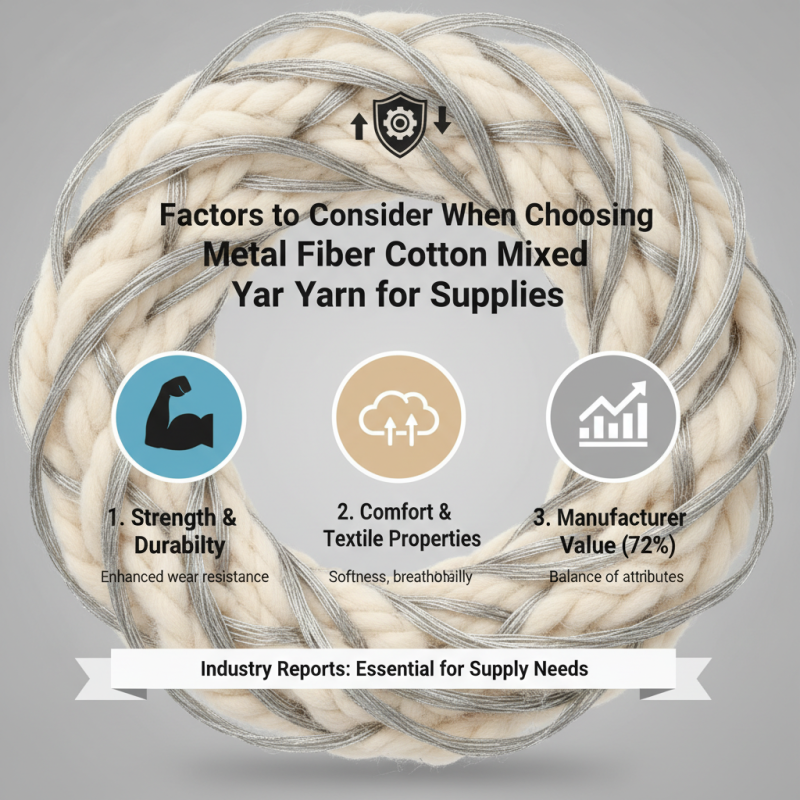
Factors to Consider When Choosing Metal Fiber Cotton Mixed Yarn for Supplies
When considering metal fiber cotton mixed yarn, several factors are essential. This type of yarn provides a balance of strength and comfort. According to recent industry reports, metal fiber yarns enhance durability while maintaining desirable textile properties. About 72% of manufacturers value these characteristics for their supply needs.
The production process is another critical aspect. Manufacturers should assess the quality of materials used in creating the yarn. Fiber composition can vary, influencing overall performance. Typical blends may include 70% cotton and 30% metal fibers. Reports indicate that such mixtures improve thermal conductivity while remaining soft against the skin.
Costs can be a concern. While metal fiber cotton mixed yarn may be more expensive than regular cotton, the added longevity can offset initial expenditures. A study revealed that products made with these yarns last up to 25% longer than those made with standard fibers. Buyers need to question if these long-term benefits justify a higher upfront cost. Opting for this type of yarn requires thoughtful consideration of these factors to ensure optimal supply satisfaction.
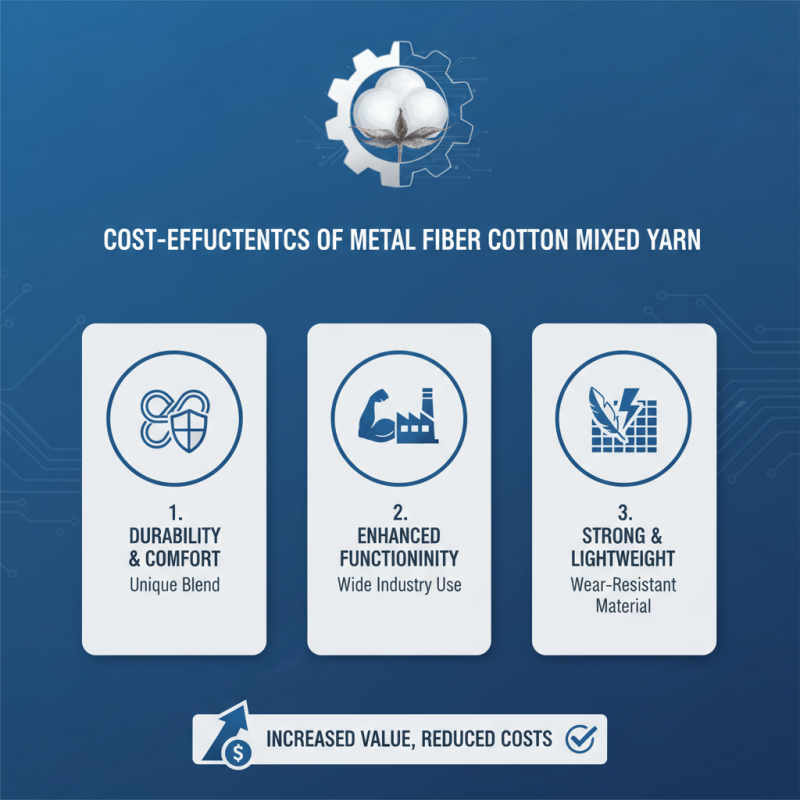
Cost-Effectiveness of Metal Fiber Cotton Mixed Yarn in Production
Metal fiber cotton mixed yarn offers a unique blend of durability and comfort. This combination enhances functionality, making it popular in various industries. The inclusion of metal fiber with polyester mixed fiber produces strong, lightweight materials that are resistant to wear and tear.
Cost-effectiveness is a key factor for many manufacturers. Metal fiber cotton mixed yarn is often cheaper than traditional options while maintaining high performance. Reduced production costs can significantly benefit companies looking to maximize their budget. Additionally, this yarn's versatility means it can be used for diverse applications, decreasing the need for multiple types of yarn.
However, it's essential to consider potential downsides. Some manufacturers may encounter challenges in sourcing quality materials. Improper integration of metal fibers can lead to inconsistencies in the final product. Investing in reliable suppliers is crucial for maintaining quality. Careful selection and testing of metal fiber with polyester mixed fiber are necessary to ensure optimal results. Embracing these complexities can ultimately lead to better production outcomes.
Exploring Innovative Applications of Graphene and Metal Fiber Spun Yarn in Modern Textiles and Smart Fabrics
Graphene, celebrated as the "king of new materials," is revolutionizing the textile industry with its unique properties. Officially isolated in 2004, graphene is known for being the thinnest, hardest, and most conductive material ever discovered. Its exceptional conductivity allows for the creation of smart fabrics that can monitor body temperature and other physiological parameters in real time. Reports indicate that the global smart textiles market is projected to reach approximately $5.2 billion by 2024, with graphene and metal fiber spun yarn playing a crucial role in this growth.
In addition to its conductivity, the strength and lightweight characteristics of graphene make it an ideal candidate for high-performance textiles. By integrating graphene with metal fiber spun yarn, manufacturers can produce innovative fabrics that not only provide superior durability but also enhance the overall quality of wearable technology. This combination results in textiles that are not only functional but also comfortable, catering to consumers' demands for high-quality and sustainable materials. Industry analysts estimate that the market for graphene-enhanced textiles will witness a compound annual growth rate of over 25% in the upcoming years, reflecting the increasing interest from fashion and technology sectors alike.
Moreover, the application of graphene in textiles extends beyond mere functionality. For instance, the inherent antibacterial properties of graphene make it suitable for medical textiles, promising advancements in wound healing and infection prevention. As the demand for multifunctional fabrics continues to rise, the collaboration between textile engineers and material scientists is essential to harness the full potential of graphene and metal fiber spun yarn, setting a new standard for modern fabric applications.
FAQS
: It combines metal fibers’ conductivity and cotton's softness, enhancing durability and performance.
It reduces static electricity, making it suitable for anti-static clothing in various industries.
It is popular in automotive and electronics due to its heat resistance and electrical conductivity.
The blending process is complex, requiring careful control and high-quality fiber sourcing.
It may result in a lack of uniformity, impacting the final product quality and performance.
Expertise and thorough testing are critical for ensuring the proper handling and processing techniques.
Yes, its conductive properties make it ideal for creating flexible circuits and other wearable tech applications.
Companies need to invest in training and development to understand its nuances effectively.
Fabrics made from it can show up to 30% improved tensile strength compared to standard cotton textiles.
Innovation increases complexity, emphasizing the need for careful assessments and alignment with cost considerations.
Conclusion
Metal Fiber Cotton Mixed Yarn has emerged as a valuable resource in textile manufacturing, offering numerous benefits that enhance its appeal. This innovative yarn combines the durable properties of metal fibers with the softness of cotton, resulting in superior functionality and comfort. Key properties such as high strength, excellent thermal conductivity, and resistance to wear make Metal Fiber Cotton Mixed Yarn ideal for a range of applications across various industries, including automotive, healthcare, and fashion.
Moreover, the use of Metal Fiber Cotton Mixed Yarn contributes to sustainability efforts within the textile industry, as it often requires fewer resources for production compared to traditional materials. Cost-effectiveness is another significant factor, as it can lead to reduced manufacturing costs without compromising quality. When considering supplies, companies should weigh the unique properties, benefits, and environmental advantages of Metal Fiber Cotton Mixed Yarn to make informed decisions that align with their production needs.