- Home
- Products
- News
- Application
- Solution
- About Us
- Contact Us
Leave Your Message
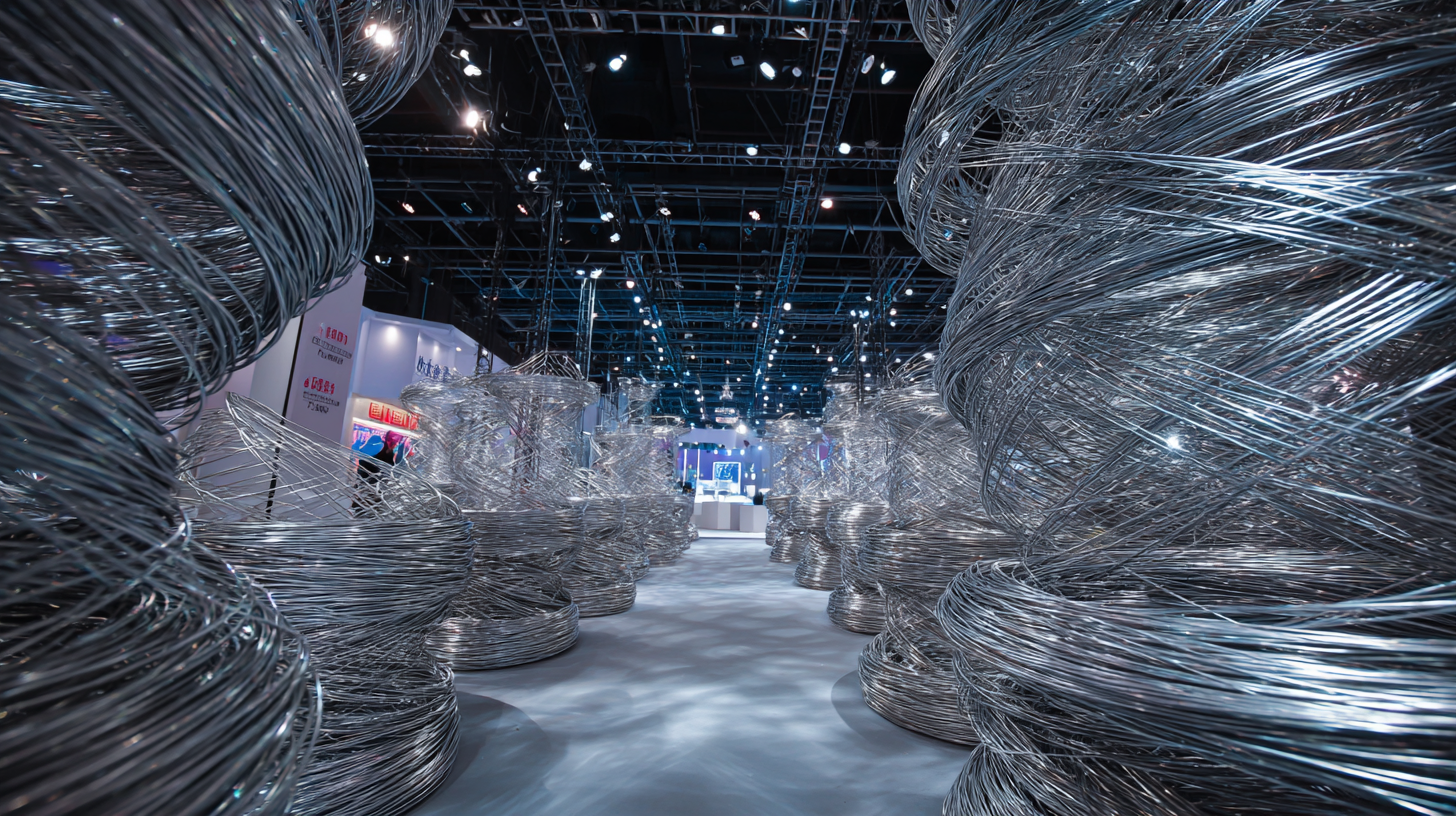
Hey there! So, the upcoming 138th China Import and Export Fair in 2025 is a pretty exciting chance to check out all the latest innovations, especially around Mixed Stainless Steel Fiber. This material's been gaining serious popularity across different industries because of its impressive strength, corrosion resistance, and how easily it plays nice with other materials. According to the latest reports from the Global Tech-Textiles Market Analysis, demand for advanced textiles—like those made with Mixed Stainless Steel Fiber—is expected to grow steadily at about 5.6% CAGR from 2023 to 2028. That really highlights how important innovation in this area is. SHIJIAZHUANG 3L TECHNOLOGY CO., LTD. has been leading the way since 2009, turning high-performance tech textiles into groundbreaking solutions that people all around the world appreciate. Our focus on Mixed Stainless Steel Fiber keeps us aligned with these growing trends, and we're super committed to pushing the envelope when it comes to what's possible with technical textiles!
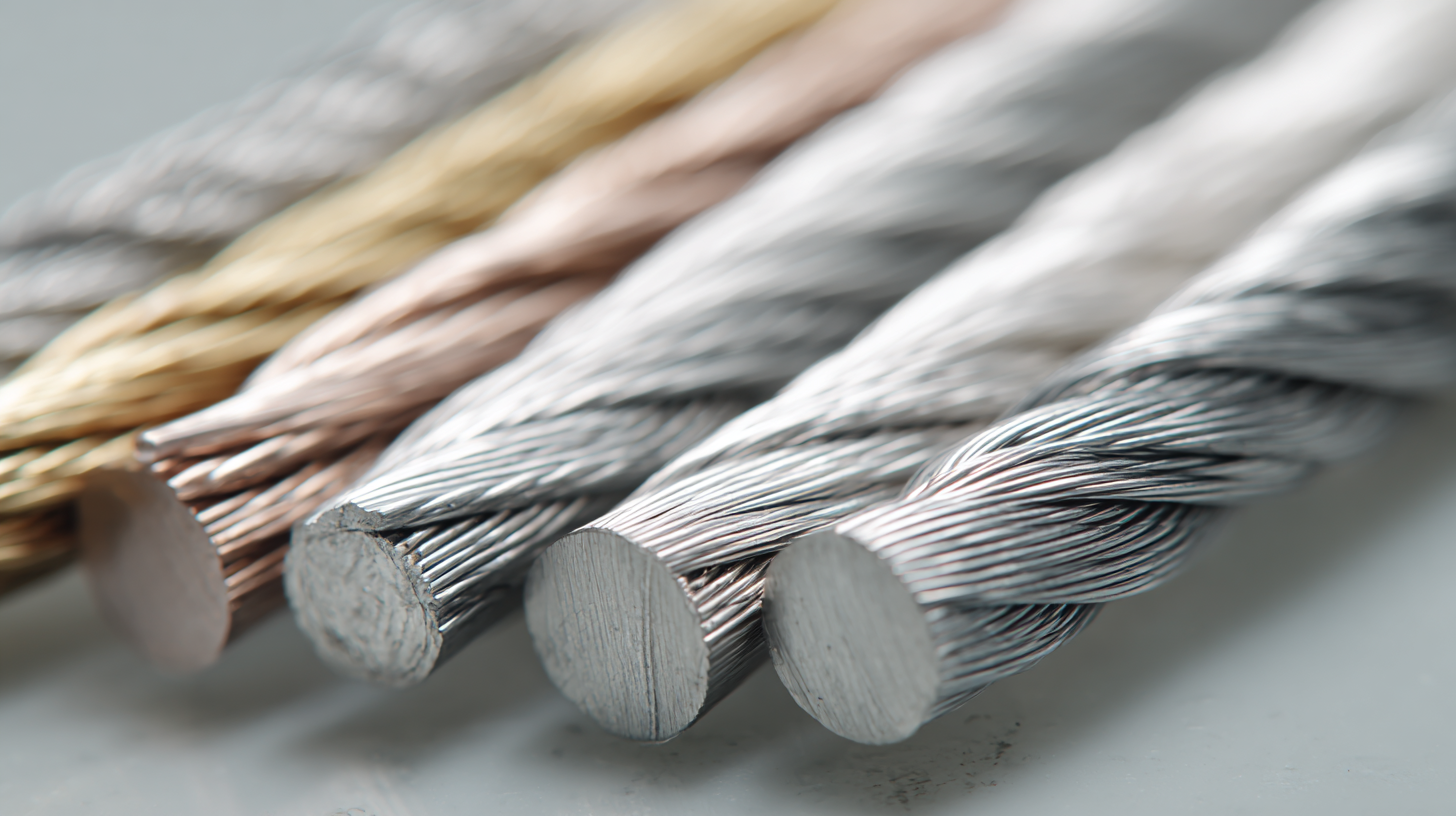
The 138th China Import and Export Fair in 2025 really highlighted some exciting new stuff in construction and Manufacturing. One of the coolest innovations they showcased was this mixed stainless steel fiber. Basically, it’s a clever combo: it brings together the strength and corrosion resistance of stainless steel with the lightweight feel of synthetic fibers. The result? A composite material that makes structures stronger and more durable.
In the construction world, this mixed stainless steel fiber is becoming a game-changer. When people add these fibers to concrete, it significantly boosts its tensile strength and ductility — meaning the concrete can stretch a bit without cracking and last longer overall. It’s pretty impressive. And it’s not just in construction — manufacturers in automotive and aerospace industries are also using these fibers to make high-strength parts. The best part? They help create lighter, more efficient designs without sacrificing safety or reliability. Honestly, it’s amazing how versatile this material is, and it’s really pushing the boundaries of both fields—making our infrastructure more sustainable and resilient than ever before.
| Application Area | Performance Metrics | Advantages | Challenges |
|---|---|---|---|
| Construction | Increased tensile strength by 25% | Enhanced durability and corrosion resistance | Higher initial material costs |
| Manufacturing | Improved wear resistance by 30% | Reduces maintenance frequency | Requires specific processing techniques |
| Marine Applications | Resistance to saltwater corrosion | Longer service life in harsh environments | Limited availability of fibers |
| Automotive Industry | Reduction in overall vehicle weight by 10% | Improved fuel efficiency | Manufacturing complexities |
The emergence of double-faced metal fiber conductive fabric represents a significant advancement in the smart textiles sector, as highlighted by recent industry reports projecting a compound annual growth rate (CAGR) of 25% for conductive fabrics from 2022 to 2030. This innovative textile merges the technical capabilities of a metal fiber layer with the comfort of natural cotton, creating a fabric that not only shields against electromagnetic interference (EMI) and radiofrequency (RF) waves but also prioritizes wearer comfort. With over 99% efficiency in electromagnetic shielding, this product is poised to revolutionize applications in diverse fields such as radiation-protective apparel and smart home textiles.
The unique composition of this double-faced fabric allows it to deliver reliable static dissipation while ensuring skin compatibility due to its cotton layer. This combination of properties is essential for environments where electrostatic discharge (ESD) is a concern. Reports indicate that the ESD market alone is set to grow significantly, driven by increasing demand in the electronics and automotive industries. The durability and washability of the material further enhance its appeal for repeated use in industrial, commercial, and civil applications, making it not only an advanced technical solution but also a practical choice for everyday usage.
Furthermore, the dual functionality of this textile underscores the growing trend towards integrating comfort and performance in smart textiles. The increasing consumer demand for multifunctional clothing that is both protective and comfortable aligns perfectly with the capabilities of this fabric. As the market for smart textiles continues to expand, the double-faced metal fiber conductive fabric stands out as a pioneering option that meets the evolving needs of consumers and industries alike.
: The growth is driven by innovations and increasing applications across various industries, with a particular rise in demand for mixed stainless steel fiber due to its enhanced strength, corrosion resistance, and thermal conductivity.
Industries such as construction, automotive, and textiles are expected to benefit significantly from the use of mixed stainless steel fiber.
Sustainability plays a crucial role as consumers become more environmentally conscious, leading companies that incorporate recycled stainless steel fibers into their products to capture a larger market share.
Advances in mixing techniques have enhanced the performance of stainless steel fibers, improved homogeneity in fiber mixtures, and developed more efficient manufacturing processes that reduce waste and energy consumption.
Stainless steel can be easily recycled without losing its properties, minimizing waste and the carbon footprint associated with producing new raw materials, thus supporting eco-friendly manufacturing practices.
Businesses can maintain a competitive edge by focusing on innovation and sustainability, investing in research and development, and forming partnerships with eco-conscious suppliers.
The potential applications for stainless steel fibers span across various sectors including automotive and aerospace components, enhancing performance characteristics and environmental responsibility.
As industries adopt mixed stainless steel fiber, they align with growing regulatory demands for sustainability, appealing to environmentally conscious consumers.
The 138th China Import and Export Fair will showcase innovations emphasizing how mixed stainless steel fiber contributes to greener manufacturing processes.
Mixed stainless steel fiber can improve product strength and durability, reduce weight, and decrease energy consumption during production and transportation, contributing to sustainability efforts.
Hey, I came across this article about the 'Exploring Innovations in Mixed Stainless Steel Fiber' at the 138th China Import and Export Fair 2025, and I have to say, it’s pretty exciting stuff. Basically, this new mixed stainless steel fiber is set to shake things up across industries—especially in construction and manufacturing. The piece points out how innovative applications of this material could really change current market trends, and they’re even expecting some serious growth come 2025. They also go into some of the latest tech behind how they mix these fibers, which boosts both efficiency and quality. Plus, it’s nice to see that using this fiber is more eco-friendly and sustainable compared to older stuff.
What’s even cooler is the comparison they make—showing how much stronger and more durable this fiber is, backed up by real-life case studies where it’s been successfully used in different projects. All of this ties into SHIJIAZHUANG 3L TECHNOLOGY CO., LTD.’s efforts to lead the way with high-performance fabrics, putting them right at the cutting edge of materials that meet what's needed in today’s ever-changing global market.