- Home
- Products
- News
- Application
- Solution
- About Us
- Contact Us
Leave Your Message
You know, in today’s fast-paced tech world, the need for good electromagnetic interference (EMI) shielding solutions has really skyrocketed. I recently came across a market report from MarketsandMarkets that predicts this market will hit around $8.69 billion by 2026. It’s pretty clear that industries like electronics, automotive, and telecom are singing the same tune—they all need more advanced materials to keep up. One standout product in this space is Copper Nickel EMI Shield Fabric—it's known for having great conductivity and being pretty tough.
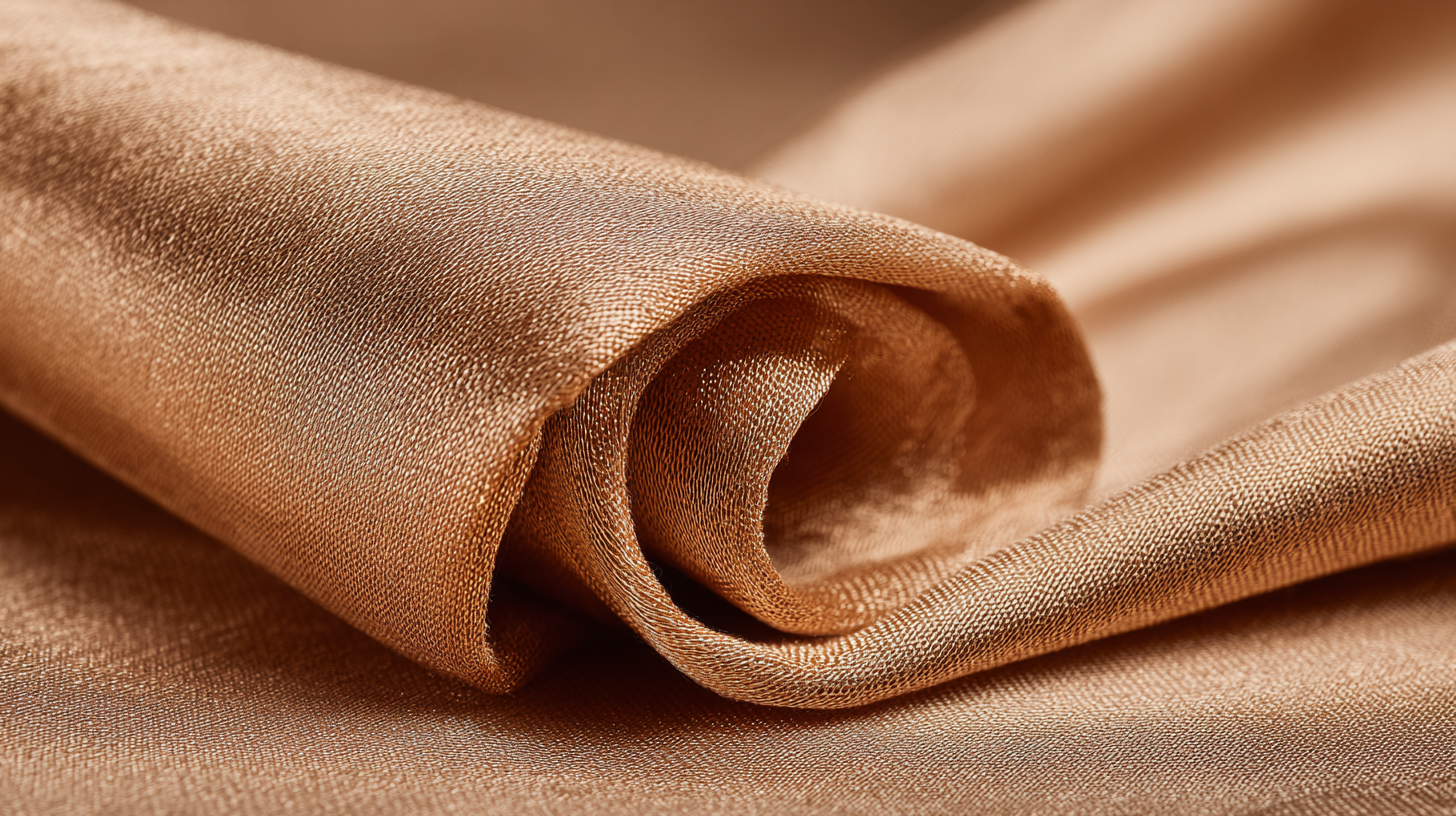
At SHIJIAZHUANG 3L TECHNOLOGY CO., LTD., we've been passionate about making high-tech Textiles since2009. We love taking high-performance materials and turning them into innovative solutions that really get the job done. Our focus on quality and innovationis what makes us a trusted partner for companies looking for reliable EMI shielding Fabrics that deliver results every time.
Electromagnetic interference, or EMI for short, is a pretty big deal when you're designing electronics. If you're not careful, it can cause stuff to malfunction, performance to take a hit, or even mess up your data. That's why understanding how to shield against EMI is so important, especially if you want your project to be reliable and run smoothly. One of the key ways to do this is by using EMI shielding materials—like copper-nickel fabrics—that help protect sensitive parts from those pesky electromagnetic disturbances. When these materials do their job well—blocking or absorbing EMI—they keep your device running without a hitch, making sure everything stays working properly and lasts longer.
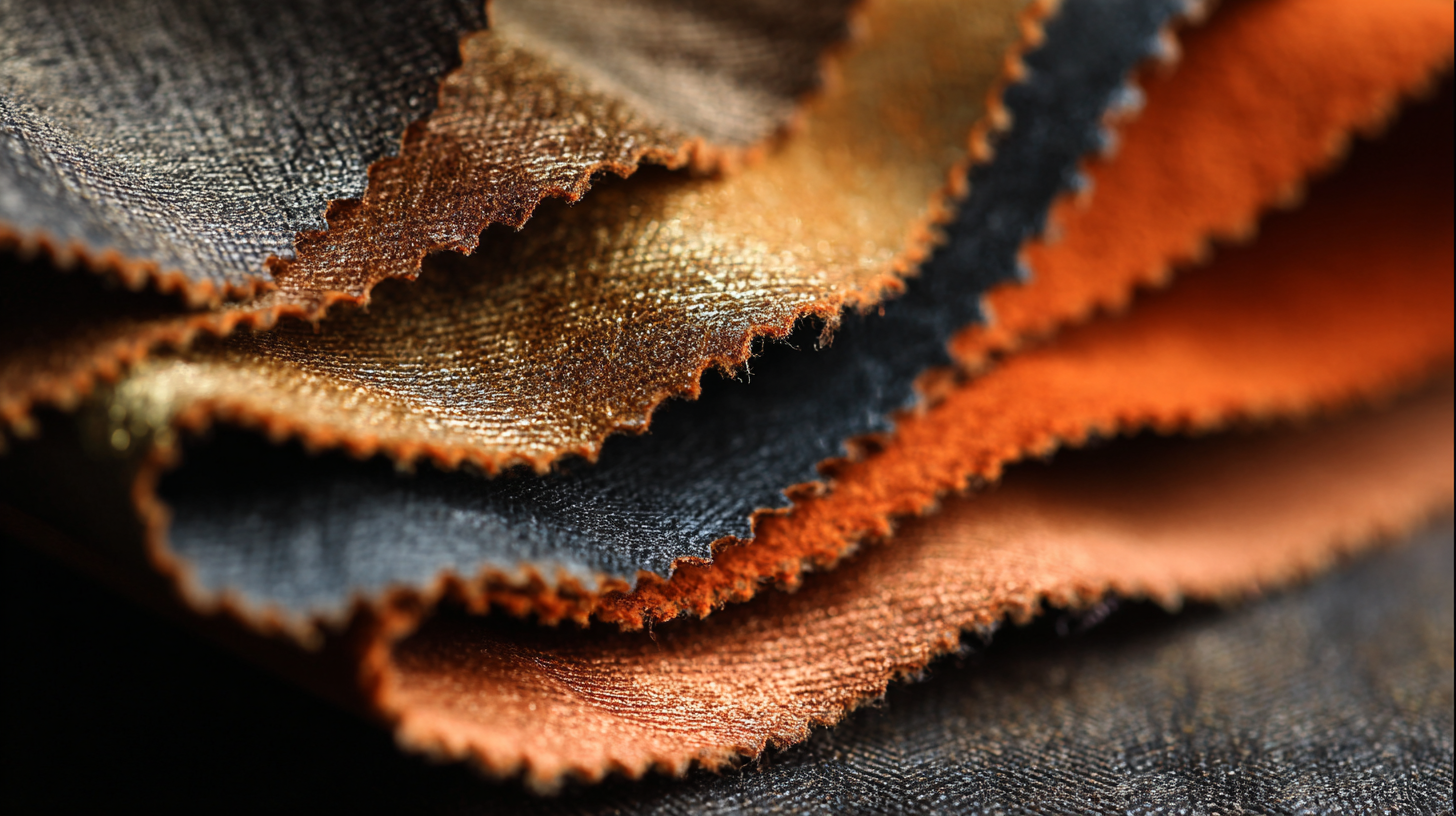
Now, choosing the right copper-nickel EMI shield fabric isn't a pick-and-go kind of thing. There are a few things you really want to think about—like how well the fabric conducts electricity, how thick it is, and whether it’s flexible enough for your needs. Things like durability and resistance to environmental factors also matter quite a bit. It really pays off to understand what your project needs—whether it’s targeting certain frequency ranges or specific device types—so you can pick the fabric that’ll give you the best protection. Taking the time to choose wisely upfront makes a big difference, especially when you're dealing with more complex electromagnetic environments and want your gadgets to stay resilient in the long run.
The growing demand for advanced materials in protective clothing has brought double faced fire resistant conductive fabric into the spotlight. This innovative textile is a composite of aramid, silver fiber, and steel fiber, combining essential properties that make it ideal for high voltage personal protective equipment (PPE). As industries become increasingly aware of the need for safety and reliability, the market for this specialized fabric is projected to expand significantly in 2023 and beyond.
One of the most notable features of double faced fire resistant conductive fabric is its exceptional fire resistance, which ensures that it remains intact under extreme conditions. In addition to this, it boasts high shielding performance and low resistance, making it an excellent choice for applications where anti-radiation properties are crucial. With compliance to international standards such as IEC 60895, this fabric is designed to provide not only protection but also comfort due to its high air permeability. Furthermore, being washable enhances its practicality, allowing for prolonged use in demanding environments without sacrificing safety.
As industries push for more effective solutions against electrical hazards and thermal risks, the rise of double faced fire resistant conductive fabric represents a significant trend. Manufacturers are increasingly recognizing its potential, and as market insights suggest, investment in this advanced textile is likely to increase, setting a new standard for safety in protective apparel.
: The alloy composition is crucial as it determines the material's conductivity and shielding effectiveness. For instance, copper-nickel alloys like C70600 and C71500 offer exceptional shielding effectiveness, with attenuation levels exceeding 90 dB across a wide frequency range.
Tensile strength is important because a fabric with a minimum tensile strength of 200 MPa can withstand stresses encountered in industrial applications without compromising its shielding integrity.
The weight and thickness of the fabric are essential for practical deployment, especially in compact devices, as lightweight and thin materials reduce overall device weight and enhance thermal management.
Factors to consider include composition, conductivity, flexibility, thickness, surface finish, and compatibility with your project's unique demands to ensure optimal protection from electromagnetic interference.
Shielding effectiveness is measured in decibels (dB) and indicates the amount of electromagnetic interference (EMI) that can be blocked. A higher dB rating signifies better performance, which is essential for specific EMI protection requirements.
Copper nickel blends provide excellent conductivity and resistance to corrosion, enhancing their longevity in various environments, making them suitable for reliable EMI protection.
Mechanical properties, such as tensile strength and flexibility, ensure that the material can withstand mechanical stresses while maintaining its EMI shielding properties over time.
Evaluating performance metrics like shielding effectiveness, conductivity, and durability is crucial as these factors will significantly influence the success of your application and ensure the selected fabric meets your project needs.
Hey there! When you're trying to pick the right Copper Nickel EMI Shield Fabric for your project, it’s really helpful to understand why EMI shielding actually matters in electronics. Basically, it’s all about protecting sensitive parts from electromagnetic interference — you know, those sneaky signals that can mess things up and cause your devices to act weird. So, things like the material’s conductivity, durability, and how easy it is to install are super important to think about. If you're comparing different types of Copper Nickel EMI shield fabrics, you'll notice that each has its own pros and cons, which can help you decide based on exactly what your project needs.
Also, it’s worth looking into performance stuff like the attenuation rate and how well the fabric works across different frequency ranges — those are key to making sure you’re getting effective protection. Don’t forget to do a little cost check too, so you stay within your budget! Here at SHIJIAZHUANG 3L TECHNOLOGY CO., LTD., we’re all about offering top-notch Copper Nickel EMI Shield Fabric. Our team uses cutting-edge textile tech to create solutions that fit just about any industry need. And if you need some tips on installation or maximizing the shields’ benefits, we’re happy to help you get there!