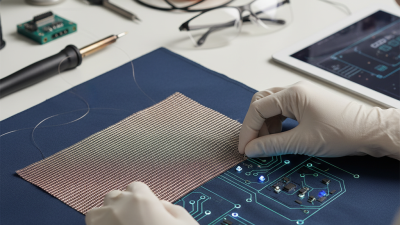
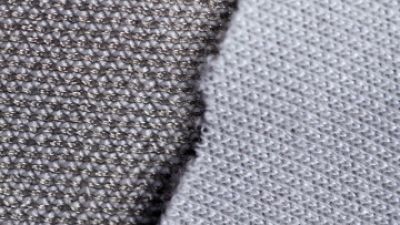
Copper Nickel Conductive Fabric is pretty impressive stuff — it blends the unique features of copper and nickel, making it a real game-changer in a bunch of different fields. The fabric isn’t just sturdy; it’s also great at conducting electricity and offers solid shielding against electromagnetic interference, which is why lots of companies are into it. Take New Faraday Fabric, for example — they've developed durable RFID shielding products using this material that can effectively block WiFi and RF signals, pretty neat, right?
As tech keeps advancing, more folks are worried about electromagnetic radiation and want reliable solutions to stay safe. That’s where Copper Nickel Conductive Cloth comes into play. It acts as a barrier against EMF, making it useful in all sorts of stuff—whether that's clothing, electronic enclosures, or even military gear. Of course, it’s not all smooth sailing; maintaining consistent quality and performance can be tricky but is critical for its success.
With awareness about the potential effects of radiation going up, the significance of materials like this fabric becomes clearer. Still, the industry needs to keep pushing forward — focusing on sustainability and making sure it works well over the long haul. Ongoing research and development are key to helping Copper Nickel Conductive Cloth stay competitive and trusted amid a sea of alternatives.
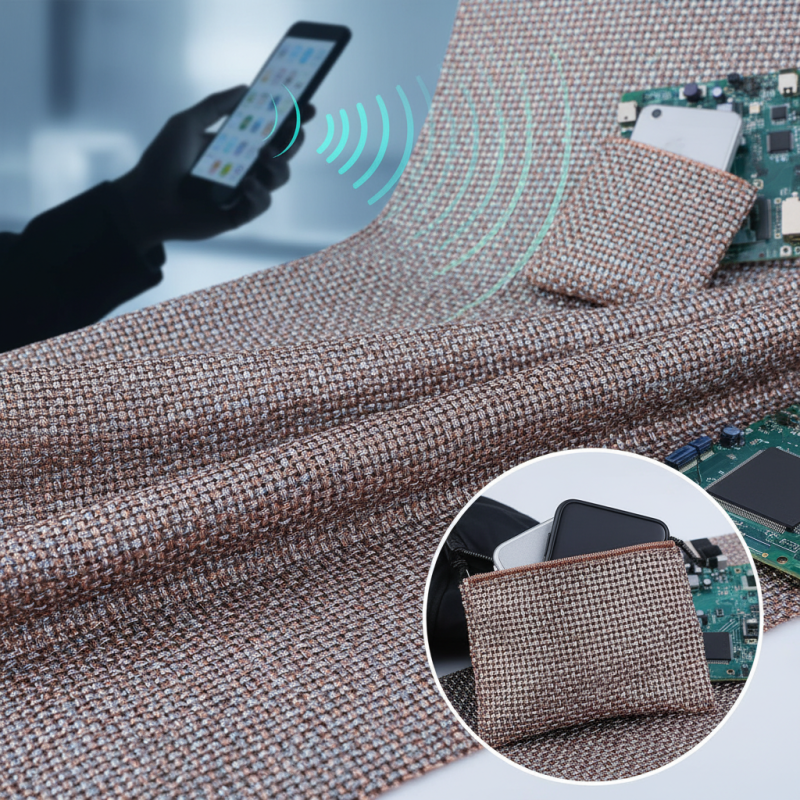
Definition and Composition of Copper Nickel Conductive Fabric
Copper nickel conductive fabric combines copper and nickel to create a versatile and effective material. This fabric is crafted from a blend of copper and Nickel fibers, providing excellent electrical conductivity. The unique composition allows for effective electromagnetic interference (EMI) shielding. This makes it a key material in various industries demanding reliable electrical performance.
The primary use of copper nickel shielding fabric is in protective clothing and electronic devices. It helps prevent interference in sensitive electronic components. The fabric’s durability and flexibility make it suitable for diverse applications, from military gear to consumer electronics. Additionally, copper nickel EMI shield fabric protects against static electricity, which is crucial in cleanroom environments.
While copper nickel conductive fabric offers many benefits, there are considerations. The weight of the fabric can be a drawback for certain applications. Producers must balance conductivity with usability. Continuous innovation is necessary for enhancing its properties. Overall, understanding the material's composition sheds light on its varied applications and potential challenges.
Properties and Characteristics of Copper Nickel Conductive Fabric
Copper nickel conductive fabric has unique properties that make it versatile in various applications. This material combines the conductivity of copper with the corrosion resistance of nickel. The result is a fabric that effectively shields against electromagnetic interference (EMI). This is crucial in environments where electronic devices operate. The fabric allows for excellent signal transmission, making it indispensable for wearable tech and military applications.
The composition of copper nickel conductive fabric contributes to its durability. It is lightweight yet robust, making it suitable for everyday use. More importantly, it is often made from 100% recycle polyester anti-static conductive fabric. This eco-friendly approach is significant as sustainability becomes a priority in manufacturing. Despite its many benefits, the fabric can sometimes exhibit reduced performance when exposed to extreme conditions. This aspect requires further exploration to enhance its reliability. Additionally, users must ensure proper care to maintain its conductive properties.
In practical applications, copper nickel conductive cloth finds use in Faraday fabric and RFID protection fabric. It’s essential for products requiring signal shielding, protecting sensitive components from interference. However, developers must be cautious when integrating this fabric into commercial products, as challenges in consistency and quality can arise. Nonetheless, the advantages of this innovative material highlight its growing importance in technological advancement.
Copper Nickel Conductive Fabric Properties and Applications
Copper nickel conductive fabric is recognized for its excellent electrical and thermal conductivity, high flexibility, and corrosion resistance, making it suitable for various applications, including electronics, wearables, and shielding materials. The chart illustrates its key properties and performance metrics.
Manufacturing Process of Copper Nickel Conductive Fabric
Copper nickel conductive fabric is made from a blend of copper and nickel fibers. The manufacturing process involves several key steps. It starts with selecting high-quality fibers. These fibers are then woven together. This creates a fabric that is both flexible and conductive. The fibers allow for efficient electrical conductivity, making the fabric suitable for various applications.
During the weaving process, the ratio of copper to nickel is crucial. Too much copper can lead to brittleness. Conversely, too little may affect conductivity. This balance is vital for ensuring durability and performance. After weaving, the fabric undergoes treatments to enhance its conductivity. These treatments often include surface coatings or additional metal layering.
Tips: When using copper nickel conductive fabric, consider the fabric thickness. Thicker fabric may offer better durability but can be less flexible. Proper care is essential to maximize the lifespan of the fabric. Avoid harsh chemicals during cleaning, as they can damage the fibers. Always perform a conductivity test before use, especially in critical applications. Regular checks can help identify inconsistencies, ensuring reliable performance.
Applications in Electronics and Smart Textiles
Copper nickel conductive fabric is gaining traction in electronics and smart textiles. This material exhibits excellent conductivity due to the copper and nickel composition, which makes it suitable for various applications. In the rapidly evolving electronics field, this fabric is used for flexible circuits, antennas, and sensors. Reports indicate that the conductive textiles market is projected to reach $6.8 billion by 2025, reflecting a growing demand for innovative material solutions.
In the realm of smart textiles, copper nickel conductive fabric plays a significant role in wearable technology. Its ability to block signals makes it valuable for RFID applications, ensuring privacy in communication. Designers are increasingly exploring its potential in health monitoring garments and smart sportswear. A recent study highlighted that by 2023, the smart wearable devices market is expected to surpass 400 million units, driving the need for effective conductive materials like Signal RFID Blocking Copper/Nickel Ripstop Conductive Fabric.
Despite its advantages, challenges remain in scalability and cost. Manufacturers face difficulties in producing large quantities while maintaining quality. Moreover, integrating conductive fabrics into mainstream fashion must overcome aesthetic barriers. As the industry unfolds, continued innovation will be critical to address these limitations and improve accessible applications.
Benefits of Using Copper Nickel Conductive Fabric in Various Industries
Copper nickel conductive fabric is gaining traction across various industries due to its unique benefits. This fabric, made from a blend of copper and nickel, offers effective electromagnetic interference (EMI) shielding. According to a recent market report, the demand for EMI shielding materials is expected to grow by over 6% annually through 2028. This growth indicates a rising awareness of the need for protection against electronic disruptions in sensitive environments.
In healthcare, the integration of copper nickel fabric is significant. Its antibacterial properties help maintain sterile environments, reducing hospital-acquired infections. A study published by the CDC highlighted that contaminated surfaces contribute to a high percentage of such infections. In electronics, the fabric serves as a flexible solution for shielding applications. It can be tailored to fit complex shapes, which enhances its usability in compact devices. However, challenges remain in manufacturing processes, where ensuring uniform conductivity can be inconsistent.
The automotive industry is also exploring copper nickel conductive fabric for its lightweight benefits. As vehicles become smarter, the need for effective shielding solutions grows. Reports show that weight reductions lead to improved fuel efficiency, aligning with global sustainability goals. Yet, the cost of sourcing high-quality materials must be considered. Balancing budget constraints with the performance of conductive fabric is an ongoing conversation among manufacturers.
Maintenance and Care for Copper Nickel Conductive Fabric Products
Copper nickel conductive fabric is a growing player in the textile industry. Its applications range from military gear to consumer electronics. However, proper maintenance and care for these products is essential for longevity and performance.
Fabric made from copper nickel requires gentle washing to maintain its conductive properties. Experts recommend washing it by hand or using a delicate cycle. Use cold water only. Avoid bleach or harsh detergents as they can degrade the fabric. A study shows that improper care can reduce conductivity by up to 30% over time. When drying, air dry the fabric away from direct sunlight to prevent fading.
Tips: Always store conductive fabrics flat or rolled to avoid creasing. Keep them away from moisture and heat sources. Regularly check for any signs of wear and tear to ensure optimal performance. In environments where RF shielding is critical, like laboratories or military applications, using Conductive Copper RF Shielding Fabric 200 Micron Copper Mesh for Faraday Cage Copper Fabric ensures reliability. Keep in mind that rough handling or exposure to extreme conditions may compromise their effectiveness, prompting a need for more frequent inspections. Regular care can extend their service life considerably while maintaining their functional integrity.
What is Copper Nickel Conductive Fabric and Its Applications?
| Application | Description | Maintenance Tips |
| Electromagnetic Shielding | Used in devices to block electromagnetic interference. | Regularly check for damages and clean with a soft cloth. |
| Wearable Technology | Integrated into clothing for health monitoring sensors. | Avoid harsh detergents and machine washing; hand wash recommended. |
| Military Applications | Used in tactical gear for protection against electronic threats. | Inspect regularly for wear and tear; store in a dry environment. |
| Industrial Equipment | Utilized in manufacturing machines for grounding purposes. | Clean with a damp cloth and inspect connections frequently. |
| Home Appliances | Incorporated into electronics to improve signal quality. | Ensure proper ventilation and avoid exposure to moisture. |
Future Trends and Innovations in Conductive Fabric Technology
The landscape of conductive fabric technology is evolving rapidly. Recently, the demand for copper-nickel conductive fabric has surged. This fabric provides excellent conductivity, durability, and corrosion resistance. The global conductive textile market is projected to reach $5 billion by 2027, driven by advancements in smart textiles and wearable technology.
Future trends reveal a focus on enhancing the performance of conductive fabrics. Researchers are exploring nanotechnology to improve conductivity while maintaining flexibility. According to a report by TechSci Research, the wearable electronics segment is expected to grow significantly, with wearable sensors alone projected to generate a market value of $2.5 billion by 2026. Companies are also investing in sustainable materials, integrating eco-friendly processes into production.
Despite these advancements, challenges persist. The integration of conductive fabrics into mainstream applications requires more research. User comfort is a primary concern. High conductivity often compromises the softness or breathability of the fabric. Addressing these issues will be critical for wider adoption. The journey toward innovation is marked by hurdles, but the potential applications span diverse sectors, illuminating exciting pathways for the future.
Exploring the Market Potential of Silver Double Face Conductive Knitted Fabric: Insights from Recent Industry Reports
The silver double face conductive knitted fabric is emerging as a game changer in various industrial applications, driven by its unique properties and market potential. Comprising a luxurious front layer made of 100% cotton and a conductive reverse layer crafted from 100% silver fiber, this innovative fabric offers superior EMF shielding and anti-radiation benefits. Its versatility makes it ideal for producing a range of products, including clothing, accessories, and home textiles intended for both health and aesthetic purposes.
Recent insights from industry reports underscore the increasing demand for anti-bacterial and conductive textiles. The double-faced design not only enhances comfort and wearability but also addresses contemporary health concerns by inhibiting bacteria, making it an excellent choice for medical products and activewear. The combination of functional and fashionable elements positions silver conductive knitted fabric as an essential material for creating high-performance solutions, catering to the growing audience seeking protective yet stylish clothing and accessories. The market is poised for expansion as consumers become more aware of the benefits of incorporating this advanced fabric into their everyday lives.
FAQS
: It combines copper’s conductivity with nickel’s corrosion resistance, providing effective electromagnetic interference shielding.
The fabric is lightweight and robust, suitable for everyday use. However, extreme conditions may reduce its performance.
It begins with selecting high-quality copper and nickel fibers. They are woven to create a flexible, conductive material.
An improper ratio can lead to brittleness or reduced conductivity. Achieving balance is crucial for performance and durability.
It is used in electronics, smart textiles, RFID protection, and wearable technology to ensure signal shielding.
Avoid harsh chemicals during cleaning, as they can damage fibers. Regular conductivity tests help maintain its effectiveness.
Issues include limited scalability and cost. Maintaining quality while producing in large quantities remains a concern.
Integrating conductive fabrics into mainstream fashion faces aesthetic barriers. Designers must consider both function and style.
It is often made from 100% recycled polyester, aligning with eco-friendly values in manufacturing.
Conductivity can vary; regular checks are essential to ensure reliability. It requires proper handling to maintain its properties.
Conclusion
Copper Nickel Conductive Fabric is an innovative material that combines the unique properties of copper and nickel to create a versatile and effective conductive textile. This fabric is composed of threads intertwined with copper and nickel, providing excellent electrical conductivity while maintaining desirable textile properties such as flexibility and durability. The manufacturing process involves careful weaving techniques that ensure the conductive properties are evenly distributed throughout the fabric.
The applications of Copper Nickel Conductive Fabric span various industries, particularly in electronics and smart textiles, where it is used for sensors, flexible circuits, and wearable technology. The benefits of using this fabric include enhanced conductivity, antimicrobial properties, and resistance to corrosion, making it ideal for a range of wearable applications. Moreover, proper maintenance is crucial to preserve its functionality, and ongoing research points towards future innovations that promise to expand the uses of conductive fabrics even further, solidifying their place in advanced textile technology.